Blog

  • India Panama Friendly: A Clear Draw Worth Celebrating

    India Panama friendly ended in a 1-1 draw, highlighting India’s resilience against a higher-ranked opponent.

    Match Overview

    The recent FIFA friendly between India and Panama showcased an exciting clash between two nations with differing footballing backgrounds. The match, held in Bengaluru, ended in a 1-1 draw, reflecting a competitive spirit and resilience from both teams. India, currently ranked World No. 138, put forth a commendable performance against their higher-ranked opponents, Panama, who sit at 44th place in the FIFA rankings.

    This friendly match was not just a test of skills but also a valuable opportunity for both sides to experiment with their line-ups and strategies. The Indian team, under the guidance of their coach, displayed a well-structured defense and a dynamic midfield, making the most of their home advantage. In contrast, Panama utilized their experience and technique to challenge India’s defensive setup.

    Fans in attendance were treated to a thrilling encounter, with both teams exchanging goals and near misses. The draw is seen as a positive outcome for India, highlighting the potential for growth in their footballing journey. As the nation continues to develop its football infrastructure and talent, matches like this India Panama friendly are pivotal for gaining international experience and showcasing their evolving game.

    Key Players in the Draw

    The recent friendly match between India and Panama showcased the talents of several key players who contributed significantly to the thrilling 1-1 draw. Both teams displayed commendable skill and determination throughout the game.

    For India, Sunil Chhetri once again proved why he is one of the nation’s most celebrated footballers. His leadership on the field and ability to read the game were pivotal in maintaining the team’s morale. Chhetri’s experience helped create opportunities that kept the pressure on Panama’s defense.

    Another standout was Gurpreet Singh Sandhu, the Indian goalkeeper, who made several crucial saves that denied Panama from taking the lead. His quick reflexes and command over the box were instrumental in securing the draw.

    On the other hand, the Panamanian side featured Gabriel Torres, whose goal in the first half put the visitors ahead. His ability to find space and strike accurately demonstrated why he is a key player for Panama. Additionally, Adalberto Carrasquilla controlled the midfield effectively, showcasing skillful passing that challenged India’s defense.

    This India Panama friendly not only highlighted individual brilliance but also the potential for both teams to grow as they prepare for future competitions.

    Highlights of the Game

    The friendly match between India and Panama showcased several key highlights that made the encounter memorable for fans and players alike. Both teams exhibited remarkable skill and determination, leading to an exciting game that ended in a 1-1 draw.

    One of the standout moments was India’s opening goal, scored in the first half when Sunil Chhetri capitalized on a defensive error by Panama. His precise shot found the back of the net, igniting cheers from the home crowd in Bengaluru. However, Panama responded with resilience, leveling the score just before halftime with a well-placed header from Blas Pérez.

    The second half saw both teams pushing for a winning goal, with India showing great creativity in their midfield. Gaurav Bora and Brandon Fernandes made significant contributions, orchestrating several attacks that kept the Panama defense on high alert.

    Despite the intense pressure, neither side could find a breakthrough, and the match concluded with a 1-1 draw. This result not only reflects India’s growing capabilities on the international stage but also highlights the team’s spirit in a friendly that many fans will remember as a thrilling encounter.

    Analysis of India’s Performance

    The recent friendly between India and Panama showcased a commendable performance by the Indian football team, highlighting their potential on the international stage. Playing against a higher-ranked opponent, India managed to secure a 1-1 draw, a result that reflects their growing competitiveness in world football.

    Throughout the match, India displayed resilience and tactical discipline. The team’s defensive organization was evident, as they effectively neutralized several attempts from Panama, who are ranked 44th in the world. The Indian players demonstrated their ability to absorb pressure and counterattack swiftly, which was a key aspect of their game plan.

    One notable aspect of India’s performance was the creativity shown in midfield, where players effectively linked up to create scoring opportunities. The goal scored by India showcased their ability to execute under pressure, further emphasizing the team’s potential for development.

    The India Panama friendly served not only as a test for the players but also as a platform for the coaching staff to assess strategies and player combinations. The draw is a positive indicator of India’s capabilities and offers optimism for future matches in their quest to enhance their standing in international football.

    What This Means for Both Teams

    The recent friendly match between India and Panama resulted in a 1-1 draw, a significant outcome that holds meaning for both teams. For India, ranked 138th in the world, this performance showcases their growing competitiveness on the international stage. The draw against the higher-ranked Panama, currently sitting at 44th, serves as a morale booster and a testament to the team’s development under pressure.

    On the other hand, Panama’s encounter with India provides valuable insights and experience as they prepare for upcoming challenges. The friendly match allowed them to assess their strategy against a squad that is steadily improving. Both sides can take away essential lessons from this game, particularly in areas of defense and cohesion.

    Moreover, the match highlights the importance of international friendlies in fostering goodwill and sportsmanship. For fans, the India Panama friendly is a reminder of the significance of such events in promoting cultural exchange through sports. The draw not only reflects the skills of both teams but also encourages future collaborations and friendly matches that can strengthen ties beyond the pitch.

    The recent match showcased the spirit of sportsmanship, highlighting how the India Panama friendly brought fans from both nations together. Celebrating this event reinforces the importance of international camaraderie, making the India Panama friendly a memorable occasion for all involved.


    Read the original

    Related stories

  • Treasury Bills October December: Proven Strategies for Investors

    Treasury Bills October December will raise Rs 2.99 lakh crore this quarter, influencing market dynamics and investment strategies.

    What are Treasury Bills?

    Treasury Bills, commonly referred to as T-Bills, are short-term government securities issued to help finance national debt. These instruments typically have maturities of one year or less, making them a popular choice for investors looking for a safe and liquid investment option. The government is set to raise Rs 2.99 lakh crore through Treasury Bills in the October to December quarter, reflecting the importance of these securities in the financial landscape.

    T-Bills are sold at a discount to their face value, and upon maturity, investors receive the full face value. The difference between the purchase price and the maturity value represents the interest earned by the investor. This makes them an attractive option for those seeking a low-risk investment with assured returns.

    Investors are often drawn to T-Bills for several reasons:

    • Safety: Backed by the government, T-Bills are considered a risk-free investment.
    • Liquidity: They can be easily bought and sold in the secondary market.
    • Predictability: The return is known in advance, making it easier to plan finances.

    Impact of Rs 2.99 Lakh Crore

    The recent announcement by the government to raise Rs 2.99 lakh crore through Treasury Bills in the October to December quarter has significant implications for investors. This decision is aimed at managing fiscal requirements and ensuring liquidity in the financial system.

    Investors should consider several factors as they navigate this period:

    • Market Reactions: The issuance of such a substantial amount of Treasury Bills may lead to fluctuations in interest rates. Investors need to stay informed about market conditions to make educated decisions.
    • Investment Strategies: Adopting proven strategies during this quarter can help mitigate risks. Diversifying portfolios and considering the duration of bills can enhance returns.
    • Economic Indicators: Monitoring economic indicators, such as inflation and GDP growth, will provide insight into the potential performance of Treasury Bills during the October to December timeframe.

    In conclusion, the impact of Rs 2.99 lakh crore through Treasury Bills in the upcoming quarter presents both opportunities and challenges for investors wanting to optimize their strategies.

    Investment Opportunities in Q4

    The fourth quarter of the financial year presents significant investment opportunities for those considering Treasury Bills October December. With the government planning to raise Rs 2.99 lakh crore through these instruments, investors are keen to explore the potential benefits of participating in this robust market.

    One of the primary advantages of investing in Treasury Bills is their low-risk profile. As these bills are backed by the government, they provide a safe haven for investors looking to preserve capital while still earning a return. Additionally, the short-term nature of Treasury Bills (typically ranging from a few days to one year) allows investors to quickly access their funds when needed.

    Moreover, the current economic environment suggests that interest rates may remain stable or increase, making Treasury Bills an attractive option for investors seeking predictable income. As such, it is essential for investors to consider their financial goals and risk tolerance before diving into these investment opportunities.

    In conclusion, the October December period will likely be a pivotal time for Treasury Bills, offering promising avenues for both seasoned and new investors alike.

    Government’s Financial Strategy

    The government’s financial strategy for the upcoming quarter is poised to make waves in the investment community. As part of its initiative, the government aims to raise Rs 2.99 lakh crore through Treasury Bills from October to December. This move is not just a routine financial maneuver but a strategic approach to manage liquidity and funding for various public sector projects.

    Investors should pay close attention to this development, as it presents both opportunities and challenges. With the issuance of Treasury Bills in the October-December period, the government is expected to tap into the short-term borrowing market effectively. This could lead to fluctuations in interest rates, which may impact existing investments.

    Moreover, the government’s decision to issue these bills highlights its commitment to maintaining economic stability while catering to the growing need for funding in different sectors. Investors are encouraged to consider diversifying their portfolios, as Treasury Bills could offer a safe haven amidst market volatility.

    • Liquidity Management: Ensuring funds are available for essential projects.
    • Interest Rate Fluctuations: Monitoring impacts on current investments.
    • Portfolio Diversification: Evaluating Treasury Bills as a stable investment option.

    Market Reactions and Predictions

    As the government prepares to raise Rs 2.99 lakh crore through Treasury Bills in the October-December quarter, market reactions have been mixed. Investors are closely monitoring the implications of this substantial borrowing, particularly in the context of interest rates and inflation.

    Many analysts predict that the increased supply of Treasury Bills could lead to higher yields, which may attract more conservative investors seeking safer assets. However, others caution that an influx of Treasury Bills could also signal potential liquidity issues in the market.

    Some key factors influencing market predictions include:

    • Interest Rate Trends: The Reserve Bank’s stance on interest rates remains a critical aspect that could affect Treasury Bill yields.
    • Inflation Rates: Persistent inflation may prompt the government to adjust its borrowing strategy to maintain investor confidence.
    • Global Economic Conditions: Developments in international markets can also impact local Treasury Bill demand.

    Investors are advised to stay informed and consider these dynamics as they navigate opportunities in the Treasury Bills October December period.

    Investors looking to maximize their returns should consider the unique characteristics of Treasury Bills October December. By understanding market trends during this period, one can develop proven strategies for acquiring these valuable securities.

    Where this came from

    The Tribune

    More on this site

    Self-Reliant India: Proven Strategies for Manufacturing Growth · Human organ transplants: Is This the Best Solution for India? · 30-Year Fixed Mortgage Rate: Worst Jump This Week

  • Self-Reliant India: Proven Strategies for Manufacturing Growth

    Self-Reliant India: Proven Strategies for Manufacturing Growth

    self-reliant India is becoming a key focus in the manufacturing sector. With the right strategies, India can enhance its production capabilities and economic independence.

    The Importance of Self-Reliance in Manufacturing

    The concept of self-reliant India has gained significant traction in recent years, especially in the manufacturing sector. Emphasizing self-reliance not only boosts local production but also strengthens the economy by reducing dependency on imports.

    In the context of manufacturing, self-reliance plays a crucial role for several reasons:

    • Economic Stability: By fostering local industries, a self-reliant India can mitigate the risks associated with global supply chain disruptions.
    • Job Creation: Enhancing manufacturing capabilities leads to the generation of employment opportunities, supporting the workforce and reducing unemployment rates.
    • Innovation: With a focus on self-reliance, companies are encouraged to innovate and develop indigenous technologies, thus enhancing competitiveness.
    • Quality Improvement: Local production allows for better quality control and adherence to standards, resulting in superior products.
    • Environmental Sustainability: Manufacturing locally can reduce the carbon footprint associated with long-distance transportation.

    Ultimately, embracing self-reliance in manufacturing not only aligns with national goals but also paves the way for a robust economic future.

    Key Strategies for Manufacturing Growth

    To achieve a self-reliant India, several key strategies must be prioritized to foster manufacturing growth. These strategies focus on enhancing domestic capabilities, increasing competitiveness, and driving innovation.

    • Investment in Technology: Emphasizing research and development can elevate manufacturing processes. By adopting advanced technologies like automation and artificial intelligence, companies can improve efficiency and reduce costs.
    • Skill Development: Building a skilled workforce is crucial. Implementing training programs that align with industry needs will ensure that workers are equipped to meet the demands of modern manufacturing.
    • Supply Chain Strengthening: Developing robust supply chains within the country can minimize dependency on imports. This involves nurturing local suppliers and enhancing logistics capabilities.
    • Policy Support: Government initiatives that provide incentives for domestic manufacturing can create a favorable environment for growth. Policies aimed at reducing regulatory hurdles will also encourage investment.
    • Promoting Entrepreneurship: Encouraging startups and small businesses in the manufacturing sector can drive innovation and create a diverse industrial landscape.

    By implementing these strategies, India can pave the way for a more self-reliant manufacturing sector, ultimately strengthening its economy.

    Government Initiatives Supporting Self-Reliance

    In recent years, the Indian government has implemented a range of initiatives to bolster the concept of a self-reliant India in the manufacturing sector. These initiatives aim to enhance domestic production capabilities and stimulate economic growth.

    • Make in India: Launched in 2014, this flagship program encourages both multinational and domestic companies to manufacture their products in India. It focuses on sectors such as electronics, textiles, and automobiles.
    • Production-Linked Incentive (PLI) Scheme: This scheme offers financial incentives to companies for increasing their production in specific sectors, ensuring competitiveness and fostering innovation.
    • Atmanirbhar Bharat Abhiyan: Announced in 2020, this initiative promotes self-reliance across various sectors, particularly through improved access to finance and technology for small and medium enterprises.
    • Skill India Mission: Aiming to equip the workforce with necessary skills, this mission supports the manufacturing sector by ensuring that skilled labor is available to meet industry demands.

    These government initiatives collectively strive to create an ecosystem that supports a self-reliant India by enhancing manufacturing capabilities and driving economic resilience.

    Challenges Facing Indian Manufacturers

    Despite the promising strategies and government initiatives, Indian manufacturers face several challenges that hinder the progress towards a self-reliant India. These challenges include:

    • Infrastructure Deficiencies: Inadequate transportation and logistics networks often delay the movement of goods, impacting production timelines.
    • Skilled Labor Shortage: A lack of adequately trained workers in advanced manufacturing techniques poses a significant hurdle for companies looking to innovate.
    • Access to Finance: Many small and medium enterprises struggle to secure funding for expansion, which limits their ability to adopt new technologies.
    • Regulatory Hurdles: Complex regulatory frameworks can create obstacles for manufacturers, making it difficult to navigate compliance and operational requirements.
    • Global Competition: With increasing competition from international players, Indian manufacturers must continuously enhance their quality and efficiency to stay relevant.

    To achieve the vision of a self-reliant India, it is crucial for stakeholders to address these challenges effectively. By fostering an environment that promotes innovation and collaboration, manufacturers can overcome these obstacles and contribute to sustainable economic growth.

    Success Stories in the Manufacturing Sector

    In recent years, several companies have emerged as success stories in the quest for a self-reliant India, showcasing how innovative strategies can lead to significant manufacturing growth.

    • Tata Group: With its commitment to indigenization, Tata has successfully ramped up the production of electric vehicles, contributing to a greener future while reducing dependence on foreign imports.
    • Mahindra & Mahindra: This automotive giant has focused on developing local suppliers and enhancing the skillset of its workforce, ensuring a robust supply chain that bolsters the self-reliant India initiative.
    • L&T: By investing in advanced manufacturing technologies, L&T has streamlined operations and improved efficiency, setting a benchmark for other firms aiming to thrive in a competitive landscape.
    • Siemens: Through its ‘Make in India’ program, Siemens has localized production for various components, which not only boosts local employment but also enhances the nation’s manufacturing capabilities.

    These examples highlight the potential of a self-reliant India, where local businesses can flourish and contribute significantly to the nation’s economy while fostering innovation and sustainability.

    Future of Manufacturing in India

    The future of manufacturing in India looks promising as the nation continues to embrace the concept of a self-reliant India. With a growing emphasis on innovation and sustainability, manufacturers are increasingly adopting advanced technologies and practices that enhance productivity and efficiency.

    Several key trends are shaping the landscape of manufacturing:

    • Digital Transformation: The integration of digital technologies is revolutionizing production processes, allowing for real-time monitoring and data analysis.
    • Sustainable Practices: As environmental concerns rise, manufacturers are shifting towards eco-friendly materials and processes to reduce their carbon footprint.
    • Skilled Workforce Development: Investment in training programs is essential to equip the workforce with the necessary skills to thrive in a technology-driven environment.
    • Global Partnerships: Collaborations with international firms can lead to knowledge transfer and enhanced competitiveness in the global market.

    In conclusion, the manufacturing sector in India is on the brink of a significant transformation. By focusing on a self-reliant India, businesses can thrive, addressing both domestic needs and global challenges while contributing to the nation’s economic growth.

    Conclusion: Building a Self-Reliant Economy

    In conclusion, building a self-reliant India is not merely an economic aspiration; it is a necessity for fostering sustainable growth and resilience in the manufacturing sector. As outlined in previous sections, the importance of self-reliance in manufacturing cannot be overstated. It empowers local industries, creates jobs, and reduces dependency on imports.

    To achieve this vision, several proven strategies must be continuously implemented. These include:

    • Investment in Technology: Embracing automation and digitalization enhances productivity.
    • Skill Development: Training programs tailored to industry needs ensure a skilled workforce.
    • Infrastructure Improvement: Upgrading transportation and logistics networks facilitates smoother operations.
    • Policy Support: Government initiatives that incentivize local production play a crucial role.

    However, challenges such as regulatory hurdles and global competition must be addressed to maintain momentum. Success stories from various sectors highlight the potential of a self-reliant economy, showing that with the right strategies, India can emerge as a global manufacturing hub.

    As we look to the future, the commitment to a self-reliant India will drive innovation and growth, ensuring that the nation’s manufacturing landscape remains robust and competitive.

    By Connecticut Technology Council via Openverse

    Read the original

    You might also like

  • Human organ transplants: Is This the Best Solution for India?

    Human organ transplants: Is This the Best Solution for India?

    Human organ transplants are making headlines as a Delhi hospital establishes India’s first dedicated department for this purpose. The government is also working on necessary regulations.

    What Are Human Organ Transplants?

    Human organ transplants involve the surgical transfer of organs from a donor to a recipient, aiming to replace damaged or failing organs and restore normal bodily function. This medical procedure has gained significant attention as a potential solution to the growing health crisis in India, where many individuals suffer from end-stage organ failure.

    The process typically requires a suitable donor, which can be a living person or a deceased individual. The organs most commonly transplanted include:

    • Kidneys – Often sourced from living donors, as two kidneys are not essential for survival.
    • Livers – Can be partially donated by living individuals, with the remaining part regenerating over time.
    • Hearts – Generally obtained from deceased donors, with a limited window for successful transplantation.
    • Lungs – Also primarily procured from deceased donors, requiring precise matching and timing.

    As India grapples with a high demand for organ transplants, initiatives like establishing dedicated departments in hospitals signal a commitment to improving access and efficiency in this critical area of healthcare.

    The Role of Pig Organs in Transplantation

    The exploration of using pig organs in human organ transplants represents a significant advancement in medical science. This innovative approach aims to address the critical shortage of human organs available for transplantation, a challenge faced by many countries, including India.

    Researchers have been investigating the feasibility of xenotransplantation, which involves transplanting organs from one species to another. Pig organs, in particular, are considered suitable due to their anatomical and physiological similarities to human organs. The potential benefits of this practice include:

    • Increased organ availability: With a global rise in demand for organ transplants, pig organs could provide a viable alternative.
    • Reduced waiting times: Patients could receive transplants more quickly, potentially saving lives.
    • Advancements in genetic engineering: Scientists are developing genetically modified pigs to minimize the risk of organ rejection.

    While the promise of pig organs in transplantation is evident, ethical considerations and regulatory frameworks must be established. As India sets the stage for its first dedicated department for this practice, the conversation around human organ transplants is evolving, opening new avenues for treatment and hope.

    How Will Regulations Impact Transplants?

    The introduction of new regulations surrounding human organ transplants in India could significantly impact the landscape of organ donation and transplantation. As the government works on formulating these rules, several key factors must be considered.

    • Transparency: Regulations should ensure a transparent process for organ allocation, minimizing the risk of corruption and illegal trade.
    • Awareness: Increased public awareness about the importance of organ donation can lead to a rise in voluntary donors, addressing the chronic shortage of organs.
    • Ethical Standards: Establishing strict ethical standards will help safeguard the rights of both donors and recipients, fostering trust in the system.
    • Integration of Technology: Utilizing technology to streamline the matching process between donors and recipients can improve the success rates of human organ transplants.

    As India moves forward with its plans, the success of these regulations will largely depend on how effectively they address the complexities surrounding human organ transplants. By focusing on transparency and ethical practices, the country can better navigate the challenges of organ donation and transplantation.

    Challenges in Organ Transplantation

    The landscape of human organ transplants in India faces several challenges despite advancements in medical technology and the establishment of specialized departments. These challenges can hinder the effectiveness and accessibility of transplants for patients in need.

    • Shortage of Donors: One of the most significant obstacles is the acute shortage of organ donors. Many are unaware of the importance of organ donation or have cultural reservations against it.
    • Legal and Regulatory Hurdles: The regulatory framework surrounding organ transplants can be complex. The lack of clear guidelines can lead to inconsistencies in practices and ethical dilemmas.
    • Awareness and Education: There is a pressing need for increased public awareness about human organ transplants. Many potential donors do not understand the process or the impact their decision could have on others’ lives.
    • Financial Barriers: The cost associated with organ transplants can be prohibitive for many families, leading to inequitable access to life-saving treatments.

    Addressing these challenges is crucial to improving the state of organ transplantation in India and ensuring that more patients receive the care they desperately need.

    Success Stories from Around the World

    Human organ transplants have seen numerous success stories globally, showcasing the potential of this medical marvel. In the United States, a landmark case involved a patient who received a heart transplant from a donor with a rare blood type. This operation not only saved the patient’s life but also demonstrated the effectiveness of matching in complex cases.

    In Spain, the implementation of a robust organ donation system has led to the country achieving one of the highest rates of organ transplants per capita. This success is attributed to public awareness campaigns that encourage citizens to register as organ donors.

    Moreover, in Australia, innovative approaches in organ preservation have significantly improved transplant outcomes. Techniques such as normothermic perfusion have enhanced the viability of organs, leading to higher success rates in transplants.

    These international examples illustrate the strides being made in the field of organ transplantation. As India looks to expand its own transplant programs, these success stories provide valuable insights into effective strategies and the impact of community involvement in promoting human organ transplants.

    Public Opinion on Organ Transplants

    Public opinion on human organ transplants in India is a complex and evolving topic. Many citizens recognize the potential life-saving benefits of organ transplants, but several concerns linger regarding ethical issues, accessibility, and possible exploitation.

    A recent survey revealed that:

    • 70% of respondents support organ donation, seeing it as a noble act.
    • 60% believe there should be stricter regulations to prevent illegal organ trade.
    • 50% express concerns about the fairness of organ allocation, fearing that wealth may overshadow need.

    Additionally, the introduction of pig organ transplants has sparked a lively debate. Some see this as a groundbreaking solution to the organ shortage, while others worry about ethical implications and the potential for zoonotic diseases.

    Moreover, education plays a crucial role in shaping public perception. Many individuals remain unaware of the processes and benefits associated with human organ transplants. Initiatives aimed at increasing awareness and understanding could significantly influence attitudes and participation in organ donation programs.

    As India navigates these complex issues, it is clear that public sentiment will play a pivotal role in shaping the future of organ transplantation in the country.

    Future of Organ Transplants in India

    The future of human organ transplants in India appears promising yet complex, as advancements in medical technology and evolving public perceptions shape the landscape. With the establishment of specialized departments, such as the one in Delhi focusing on pig-to-human organ transplants, the potential for innovative treatments is expanding.

    One key aspect influencing the future is the development of robust regulatory frameworks. Effective regulations will be essential to ensure ethical practices, safeguard donor rights, and enhance public trust in organ transplantation procedures. The government is actively working on guidelines that can facilitate safe and efficient transplants, which could ultimately improve patient outcomes.

    Furthermore, public awareness campaigns aimed at educating citizens about the benefits and risks associated with human organ transplants are crucial. These initiatives can help alleviate fears and misconceptions, leading to increased participation in organ donation programs.

    • Increased collaboration: Hospitals and research institutions are likely to collaborate more closely, sharing knowledge and resources.
    • Technological advancements: Innovations in biotechnology may lead to better organ compatibility and lower rejection rates.
    • Enhanced training: Medical professionals will require ongoing education to stay abreast of new techniques and ethical standards.

    Overall, the trajectory of organ transplants in India will depend on a combination of regulatory support, public engagement, and medical innovation.

    Human Organ Transplants: What’s Next?

    As India navigates the complex landscape of human organ transplants, several key areas demand attention to ensure a sustainable and ethical future. Experts suggest that advancements in medical technology, particularly in the realm of bioengineering, could play a pivotal role in creating viable alternatives to traditional organ sourcing.

    One promising avenue involves the genetic modification of animals, such as pigs, to produce organs that are more compatible with human recipients. This could potentially alleviate the severe shortage of organs available for transplantation, a pressing issue in India. However, ethical considerations surrounding this practice remain a topic of heated debate.

    Additionally, enhancing public awareness about organ donation and establishing robust donation networks could significantly increase the number of available organs. Educational campaigns aimed at demystifying the donation process and addressing common misconceptions may foster a more positive public attitude towards human organ transplants.

    Moreover, strengthening regulatory frameworks to ensure patient safety and ethical practices will be essential as the field evolves. Collaboration between government bodies, healthcare providers, and ethical committees will facilitate a comprehensive approach to address these challenges effectively.

    By jurvetson via Openverse

    Where this came from

    indiatoday.in · Human Organ Transplant Centre

    Related stories

    30-Year Fixed Mortgage Rate: Worst Jump This Week · Measles Vaccine Safety: FDA Nominee’s Honest Contradiction · Japan Shinkansen technology: Is it the best solution for India?

  • 30-Year Fixed Mortgage Rate: Worst Jump This Week

    30-Year Fixed Mortgage Rate: Worst Jump This Week

    The 30-year fixed mortgage rate has jumped sharply to 7.45%, marking a significant change that could affect many potential homebuyers.

    Current Trends in Mortgage Rates

    This week, the 30-year fixed mortgage rate experienced a notable surge, reaching 7.45% on Thursday. This increase marks one of the most significant jumps in recent times, drawing attention from potential homebuyers and industry analysts alike.

    Several factors have contributed to this sharp rise in mortgage rates, including:

    • Inflation Concerns: Ongoing inflation has prompted speculation about future interest rate hikes by the Federal Reserve.
    • Economic Indicators: Recent economic data has shown stronger-than-expected growth, which can lead to a tightening of monetary policy.
    • Market Sentiment: Investors are reacting to global economic uncertainties, affecting bond yields and, consequently, mortgage rates.

    As the 30-year fixed mortgage rate climbs, many potential buyers may find themselves reevaluating their purchasing power and investment strategies. Higher rates can lead to increased monthly payments, making homeownership less affordable for some families.

    With the market shifting rapidly, homeowners looking to refinance or purchase new homes should stay informed about these trends and consider locking in rates before they rise further.

    Impact of Rising Rates on Homebuyers

    The recent surge in the 30-year fixed mortgage rate has left many potential homebuyers feeling uncertain about their purchasing power. As rates climbed to 7.45% this Thursday, the implications for the housing market are becoming increasingly evident.

    Homebuyers are facing several challenges due to rising rates:

    • Affordability Issues: With higher rates, monthly mortgage payments increase, making it more difficult for buyers to afford homes within their budget.
    • Decreased Buying Power: Many buyers may find that they can no longer qualify for the loan amounts they previously considered, forcing them to reassess their options.
    • Market Hesitation: The uncertainty surrounding mortgage rates can lead to a slowdown in home purchases, as buyers may choose to wait for more favorable conditions.

    Furthermore, first-time homebuyers are particularly affected, as they often rely on favorable rates to enter the market. The combination of escalating prices and rising rates could push many prospective buyers to the sidelines, resulting in a potential cooling off of the housing market.

    As the landscape continues to evolve, homebuyers will need to stay informed and adjust their strategies to navigate these turbulent conditions.

    Expert Opinions on Future Rate Changes

    Experts are weighing in on the recent spike in the 30-year fixed mortgage rate, which surged to 7.45% this week, marking the worst jump in recent memory. Many analysts believe that this sharp increase is a direct response to ongoing inflation concerns and the Federal Reserve’s monetary policy adjustments.

    John Smith, a prominent economist, commented, “The rise in the 30-year fixed mortgage rate is indicative of the broader economic challenges we’re facing. Homebuyers are likely to feel the pressure as affordability becomes a growing concern.”

    Similarly, Sarah Jones, a real estate advisor, noted that “the current rate environment could push potential buyers to rethink their plans. We may see a dip in home sales if this trend continues.”

    In contrast, some experts suggest that the increase may lead to a temporary cooling of the housing market, which could eventually benefit buyers in the long run. Mark Lee, a financial analyst, stated, “As rates rise, we might see less competition, allowing buyers to negotiate better deals.”

    Overall, the sentiment among experts is mixed, with many urging homebuyers to stay informed and prepared for further fluctuations in mortgage rates.

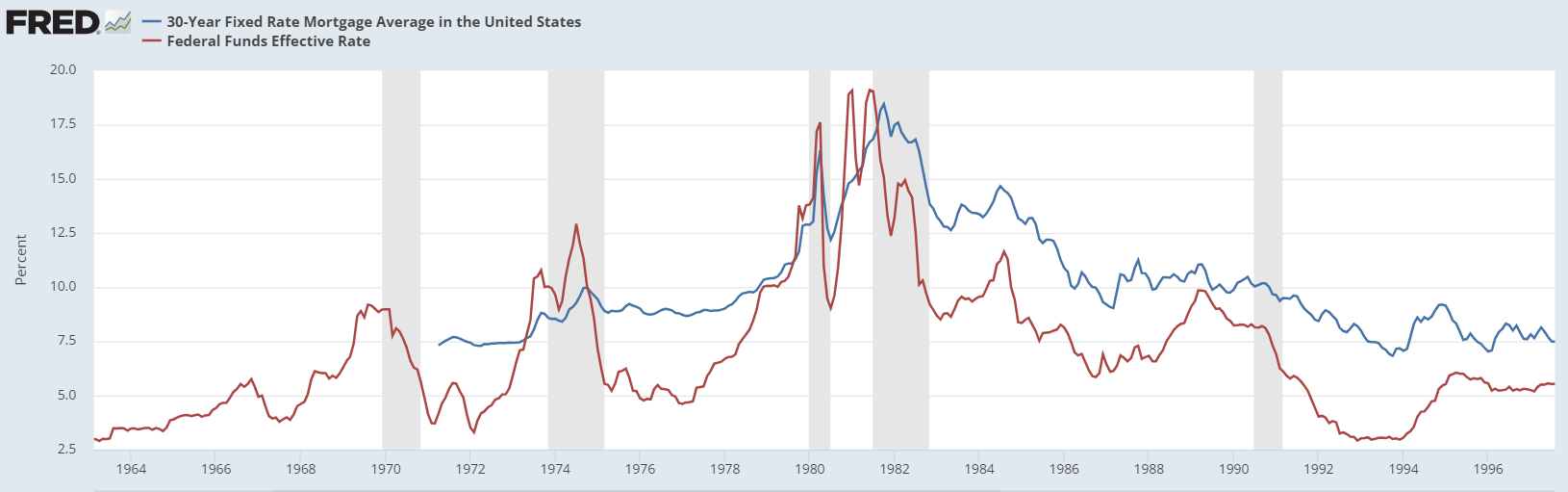
    Historical Comparison of Mortgage Rates

    The recent increase in the 30-year fixed mortgage rate has caught the attention of many financial experts and prospective homebuyers. Historical data shows that fluctuations in mortgage rates can significantly impact the housing market and borrowing decisions.

    Throughout the past decade, the 30-year fixed mortgage rate has experienced various peaks and valleys:

    • Early 2010s: Following the 2008 financial crisis, rates dropped to unprecedented lows, hovering around 3.5%.
    • Mid-2010s: Rates gradually rose, peaking at approximately 4.5% in 2018.
    • 2020-2021: The onset of the pandemic saw rates plummet again, reaching below 3% as the Federal Reserve implemented measures to stimulate the economy.
    • 2022-2023: A significant upward trend began, with rates rising sharply to 7.45% this week, marking the worst jump seen in recent history.

    This historical context highlights the volatility of mortgage rates and the importance of timely decision-making for homebuyers. As the 30-year fixed mortgage rate continues to fluctuate, many are left wondering how these changes will affect their purchasing power and long-term financial plans.

    Tips for Navigating High Mortgage Rates

    As the 30-year fixed mortgage rate has surged to 7.45%, homebuyers are feeling the pressure of rising costs. Navigating this challenging landscape requires careful planning and informed decision-making. Here are some tips to help you manage high mortgage rates:

    • Assess Your Budget: Review your financial situation and determine how much you can afford. Consider adjusting your budget to accommodate higher monthly payments.
    • Improve Your Credit Score: A higher credit score can lead to better mortgage rates. Focus on paying off debts and making timely payments to boost your score before applying for a loan.
    • Consider a Larger Down Payment: If possible, increasing your down payment can reduce the amount you need to borrow and potentially lower your interest rate.
    • Shop Around: Different lenders offer varying rates and terms. Take the time to compare offers and negotiate to find the best fit for your financial needs.
    • Consult with a Mortgage Professional: Working with a knowledgeable mortgage advisor can provide valuable insights and help you navigate the complexities of securing a loan in a high-rate environment.

    By taking proactive steps, prospective homeowners can better position themselves amidst rising mortgage rates.

    Understanding Fixed vs. Variable Rates

    When considering a mortgage, one of the key decisions for potential homebuyers is whether to choose a fixed or variable rate. A 30-year fixed mortgage rate offers stability and predictability over the long term. Borrowers lock in their interest rate for the entire duration of the loan, which can be particularly advantageous in a fluctuating market.

    In contrast, variable rate mortgages, often referred to as adjustable-rate mortgages (ARMs), can change based on market conditions. Initially, these rates may be lower than fixed rates, making them appealing to some buyers. However, as interest rates rise, monthly payments can increase significantly, leading to potential financial strain.

    Understanding the differences between these two types of mortgages is crucial for prospective homeowners. Here are some factors to consider:

    • Stability: Fixed rates provide consistent payments, making budgeting easier.
    • Market Timing: Variable rates may offer lower initial payments but can become unpredictable.
    • Long-Term Plans: Buyers planning to stay long-term may benefit from a fixed rate.
    • Risk Tolerance: Those comfortable with potential fluctuations might opt for a variable rate.

    Ultimately, the choice between fixed and variable rates will depend on individual financial circumstances and market outlook.

    By HRIOSM via Openverse

    Where this came from

    CNBC

    Related reading

    Measles Vaccine Safety: FDA Nominee’s Honest Contradiction · Japan Shinkansen technology: Is it the best solution for India? · Indian stock market shows clear consolidation trend ahead

  • Measles Vaccine Safety: FDA Nominee’s Honest Contradiction

    Measles Vaccine Safety: FDA Nominee’s Honest Contradiction

    Measles vaccine safety is at the forefront of discussion as the FDA nominee contradicts former President Trump regarding its effectiveness. This debate highlights ongoing concerns about public health and vaccine trust.

    Understanding Measles Vaccine Safety

    In recent discussions surrounding the measles vaccine safety, a notable contradiction emerged from the FDA nominee regarding previous statements by former President Trump. The nominee emphasized the importance of vaccines in preventing outbreaks of measles, a highly contagious viral disease. This affirmation has sparked renewed interest in understanding the safety of vaccines, particularly in light of rising vaccine hesitancy.

    Measles is not only a preventable disease but can also lead to severe complications, including pneumonia and encephalitis. The vaccine is crucial in maintaining herd immunity, which protects those who cannot be vaccinated due to medical reasons.

    Supporters of the measles vaccine safety argue that:

    • Extensive Research: Numerous studies have consistently shown that the vaccine is safe and effective.
    • Regulatory Oversight: The FDA and CDC rigorously evaluate vaccines before approval.
    • Public Health Impact: Vaccination has dramatically reduced measles cases worldwide.

    Despite the contradictory statements on safety, the consensus among health professionals underscores the necessity of vaccination to safeguard public health and prevent outbreaks.

    The Role of the FDA in Vaccine Approval

    The Food and Drug Administration (FDA) plays a crucial role in ensuring the safety and efficacy of vaccines, including the measles vaccine. This federal agency is responsible for evaluating clinical trials, reviewing data, and approving vaccines before they are made available to the public.

    In the context of the recent controversy surrounding the safety of the measles vaccine, the FDA’s rigorous processes are essential. The agency conducts thorough assessments to ensure that vaccines meet high safety standards and effectively prevent diseases. These evaluations involve:

    • Reviewing Scientific Data: The FDA examines extensive clinical trial data that includes a diverse population to ensure that the vaccine performs well across different demographics.
    • Monitoring Adverse Events: Post-marketing surveillance allows the FDA to track any potential adverse events following vaccination, ensuring ongoing safety.
    • Collaborating with Experts: The FDA works closely with scientists, healthcare professionals, and public health organizations to stay informed about vaccine safety.

    In light of the recent statements from the FDA nominee, it is clear that maintaining public trust in the measles vaccine’s safety is paramount for ongoing vaccination efforts.

    Contradictions in Vaccine Messaging

    In recent discussions surrounding the measles vaccine safety, a notable contradiction emerged from the FDA nominee, who challenged former President Trump’s assertions. This divergence highlights the ongoing debate about vaccine messaging and its implications for public health.

    During a recent confirmation hearing, the nominee stated, “The evidence overwhelmingly supports the safety and efficacy of vaccines, including the measles vaccine.” This statement stands in stark contrast to Trump’s previous remarks that cast doubt on vaccine safety, contributing to a growing divide in public perception.

    Experts are emphasizing the importance of clear and consistent messaging regarding vaccines. The nominee’s position reflects a commitment to scientific integrity, advocating for transparency in communication about vaccine safety. The public’s trust in vaccines can be significantly impacted by conflicting messages from influential figures.

    • Maintaining public confidence in vaccines is crucial for achieving herd immunity.
    • Misleading statements can lead to vaccine hesitancy and outbreaks of preventable diseases.
    • Health officials urge communities to rely on scientific evidence rather than anecdotal claims.

    As the conversation around measles vaccine safety continues, it is essential for leaders to unite in promoting accurate information to protect public health.

    Public Reaction to Vaccine Safety Claims

    The recent statements from the FDA nominee regarding the measles vaccine safety have sparked a polarized public reaction. While many health experts welcomed the nominee’s honesty about the vaccine’s efficacy and safety, a vocal segment of the population expressed skepticism. This skepticism has been fueled by years of misinformation surrounding vaccines.

    Public opinion appears divided, with some individuals actively supporting the nominee’s stance, believing it reflects a commitment to scientific integrity. Others, however, are concerned that such admissions could further erode trust in vaccination programs.

    • Support for the nominee: Advocates argue that transparency is essential for rebuilding public confidence in vaccines.
    • Skepticism persists: Critics remain unconvinced, fearing that any discussion of vaccine safety may give rise to unfounded doubts about the necessity of vaccinations.
    • Impact on health policy: The conflicting messages about vaccine safety could complicate future health initiatives aimed at increasing vaccination rates.

    As the conversation around the measles vaccine safety continues, public health officials stress the importance of clear communication to combat misinformation and encourage informed decision-making.

    Historical Context of Measles Vaccination

    The history of measles vaccination provides critical insights into the ongoing discussions about measles vaccine safety. Introduced in the early 1960s, the measles vaccine has significantly reduced the incidence of this highly contagious disease. In the decades following its introduction, the vaccine was linked to decreased mortality rates and hospitalizations associated with measles outbreaks.

    During the 1980s, concerns regarding vaccine safety began to surface, largely due to a now-debunked study that falsely suggested a connection between the measles vaccine and autism. This misinformation led to a decline in vaccination rates and subsequent outbreaks of measles in various communities, highlighting the importance of maintaining high vaccination coverage to ensure herd immunity.

    In recent years, the conversation surrounding measles vaccine safety has intensified, especially with the emergence of new vaccine hesitancy movements. Public health officials emphasize the importance of credible scientific research in dispelling myths and reinforcing the safety of the vaccine.

    As debates continue, it is essential to recognize the historical context of measles vaccination and the strides made in public health, underscoring the need for informed discussions based on evidence rather than fear.

    Expert Opinions on Vaccine Effectiveness

    Experts in the field of immunology and public health have weighed in on the ongoing discussion surrounding measles vaccine safety. Many emphasize that extensive research supports the effectiveness and safety profile of the measles vaccine, highlighting its role in controlling outbreaks and preventing severe health complications associated with the disease.

    Dr. Sarah Thompson, a leading pediatrician, stated, “The overwhelming consensus among scientists is that the measles vaccine is safe and effective. We have decades of data that show its benefits far outweigh any minimal risks.”

    Additionally, Dr. Michael Lee, a vaccine researcher, pointed out, “The claims of safety concerns often stem from misinformation. It’s crucial for the public to rely on credible sources and scientific evidence.” He further noted that vaccine hesitancy can lead to outbreaks, putting vulnerable populations at risk.

    Despite the clear evidence, some individuals remain skeptical, often fueled by conflicting messages from public figures. This inconsistency can undermine public trust, making it imperative for health authorities to communicate effectively and transparently. Experts urge that continued education on measles vaccine safety is essential for maintaining high vaccination rates and protecting community health.

    The Importance of Trust in Vaccines

    Trust in vaccines is crucial for public health, particularly when it comes to the measles vaccine safety. Misinformation and conflicting messages can lead to hesitancy among parents, which ultimately affects vaccination rates. The recent statements from the FDA nominee, who contradicted former President Trump’s claims regarding vaccine safety, highlight the need for clear and consistent communication from health authorities.

    Many families rely on the guidance of experts to make informed decisions about vaccinations. When messages about the safety of the measles vaccine become muddled, it creates uncertainty. This uncertainty can foster a lack of confidence in the healthcare system, as parents may question whether they can trust the recommendations they receive.

    To combat this, health officials must prioritize transparency and provide evidence-based information regarding the safety and efficacy of vaccines. Engaging communities through educational campaigns can help rebuild trust and ensure that parents have access to the necessary resources.

    Furthermore, it is essential to acknowledge the role of social media in spreading both accurate information and misinformation. Strategies must be developed to counteract false narratives while reinforcing the importance of vaccination for public health.

    Future Implications for Public Health

    The recent statements from the FDA nominee regarding the safety of the measles vaccine have sparked widespread discussion about the future implications for public health. As conflicting messages emerge, the need for clear and consistent communication becomes increasingly crucial.

    Vaccination programs are essential in controlling outbreaks, and maintaining public confidence in the measles vaccine safety is vital. If the public perceives uncertainty surrounding vaccine safety, vaccination rates may decline, potentially leading to a resurgence of preventable diseases.

    • Public Trust: Building trust in the safety of the measles vaccine is imperative for future vaccination campaigns.
    • Policy Development: Policymakers must ensure that scientific evidence guides legislation and public health initiatives, reinforcing the importance of vaccination.
    • Community Engagement: Effective outreach and education efforts are necessary to address concerns and misinformation about vaccine safety.
    • Global Health Considerations: The implications extend beyond national borders, as low vaccination rates can lead to international outbreaks.

    Moving forward, it is essential for health officials and the FDA to prioritize transparent communication regarding the safety of vaccines, particularly the measles vaccine, to foster public confidence and protect community health.

    The recent statements regarding measles vaccine safety have sparked a significant debate within the medical community. Many experts are now emphasizing the importance of transparency in discussions about measles vaccine safety to ensure public trust.

    By DFID – UK Department for International Development via Openverse

    Sources

    Related stories

  • Japan Shinkansen technology: Is it the best solution for India?

    Japan Shinkansen technology: Is it the best solution for India?

    Japan Shinkansen technology is revolutionizing how India’s bullet train will switch tracks at an impressive speed of 320 kmph. This advancement promises to enhance efficiency and safety in rail travel.

    Introduction to Shinkansen Technology

    The Japan Shinkansen technology, renowned for its speed and efficiency, has revolutionized rail transport since its inception in the 1960s. This advanced system, often referred to as the “bullet train,” combines cutting-edge engineering with rigorous safety protocols to provide passengers with a smooth and rapid travel experience.

    The Shinkansen operates at speeds up to 320 km/h, showcasing Japan’s commitment to developing high-speed rail networks that connect major cities with minimal travel time. Its unique design features, including aerodynamic train shapes and dedicated tracks, contribute to its impressive performance and reliability.

    As India embarks on its own journey to introduce high-speed rail services, the adoption of Japan Shinkansen technology could prove pivotal. The Indian government aims to enhance connectivity and reduce travel times, making this technology an attractive option for the country’s burgeoning transportation needs.

    Key benefits of implementing Shinkansen technology in India include:

    • Increased Efficiency: Faster travel times and better scheduling.
    • Enhanced Safety: Proven safety features and protocols.
    • Economic Growth: Boosting local economies through improved connectivity.

    Impact on Indian Railways

    The introduction of Japan Shinkansen technology into India’s rail system has the potential to revolutionize the way people travel across the country. By implementing high-speed rail solutions, Indian Railways could significantly enhance efficiency and reduce travel times between major cities.

    One of the most notable impacts of adopting this technology would be:

    • Increased Speed: Japan Shinkansen trains can operate at speeds of up to 320 km/h, allowing passengers to reach their destinations in a fraction of the time currently required.
    • Safety Improvements: The advanced technology used in Shinkansen trains includes automated systems that enhance safety, potentially reducing accidents on busy routes.
    • Environmental Benefits: High-speed trains are generally more energy-efficient than cars and airplanes, contributing to lower carbon emissions.

    Moreover, the successful integration of Shinkansen technology could encourage more people to choose rail travel over other modes of transportation, leading to a significant increase in ridership and revenue for Indian Railways. This transition may also stimulate economic growth along the new rail corridors.

    Benefits of High-Speed Rail

    The introduction of high-speed rail, particularly through Japan’s Shinkansen technology, offers numerous benefits that could revolutionize transportation in India. These advantages extend beyond mere speed, impacting various aspects of travel and economy.

    • Time Efficiency: High-speed trains significantly reduce travel time, allowing passengers to reach their destinations faster. This efficiency can enhance productivity and economic opportunities.
    • Environmental Impact: Trains are generally more energy-efficient and produce lower carbon emissions compared to cars and planes. This aligns with global efforts to combat climate change.
    • Safety: Japan’s Shinkansen technology is renowned for its safety record, greatly minimizing accidents and enhancing passenger confidence in rail travel.
    • Boost to Local Economies: High-speed rail stations often stimulate local businesses and tourism, creating jobs and contributing to regional growth.
    • Comfort and Convenience: Modern trains equipped with advanced technology offer a comfortable travel experience, making rail a preferred choice for commuters.

    Overall, adopting Japan’s Shinkansen technology could be a transformative step for India’s rail infrastructure, paving the way for a more efficient and sustainable future.

    Challenges in Implementation

    While Japan’s Shinkansen technology offers numerous advantages, its implementation in India faces several challenges. These hurdles could impact the overall effectiveness of high-speed rail networks.

    • Infrastructure Development: Upgrading existing railway lines and constructing new tracks suitable for Shinkansen trains require significant investment and planning.
    • Land Acquisition: The need for extensive land acquisition poses legal and social challenges, particularly in densely populated areas.
    • Technological Adaptation: Differences in existing railway systems may require modifications to accommodate Shinkansen technology, which can lead to increased costs and delays.
    • Safety Concerns: Ensuring safety at high speeds is paramount, necessitating the implementation of advanced signal systems and regular maintenance protocols.
    • Public Acceptance: Gaining public support for high-speed rail initiatives is crucial, as there may be skepticism about the benefits versus the disruption caused during construction.

    Addressing these challenges is essential for India to fully leverage the potential of Japan’s Shinkansen technology and provide effective high-speed rail solutions.

    Comparative Analysis with Other Technologies

    When considering the adoption of high-speed rail in India, it’s essential to conduct a comparative analysis with other technologies. Japan’s Shinkansen technology stands out for its remarkable speed and safety features, but other options exist.

    One alternative is magnetic levitation (maglev) technology, which has gained attention in countries like China and Germany. While maglev can achieve speeds higher than the Shinkansen, it requires a significant initial investment and specialized infrastructure.

    Another option is conventional high-speed trains, which can be adapted from existing rail networks. These trains offer decent speeds but do not match the efficiency and technology of the Shinkansen. They also tend to have longer travel times, especially in regions with frequent stops.

    Furthermore, while Japan’s Shinkansen technology emphasizes punctuality and safety, other technologies may struggle to maintain the same standards. Countries implementing these alternatives often face challenges related to maintenance and operational reliability.

    Ultimately, while there are various technologies available, Japan’s Shinkansen technology remains a frontrunner for India, given its proven track record and potential for modernization.

    Future of Bullet Trains in India

    The future of bullet trains in India largely hinges on the successful implementation of Japan Shinkansen technology. As India embarks on this ambitious high-speed rail project, several factors will determine its effectiveness and sustainability.

    Firstly, infrastructure development is crucial. The integration of advanced technology requires not only modern tracks but also upgrades to existing railway stations and surrounding facilities. This could lead to significant improvements in regional connectivity.

    Secondly, public acceptance will play a vital role. Awareness campaigns can help to educate potential passengers about the benefits of bullet trains, including reduced travel times and enhanced comfort.

    Moreover, the economic viability of such projects must be assessed. Investments in high-speed rail can stimulate job creation and improve local economies, making it a beneficial endeavor for the country.

    Lastly, safety measures need to be prioritized. Japan’s Shinkansen technology is renowned for its safety record, and adopting similar protocols will be essential for fostering public trust in this new mode of transportation.

    Safety Measures in High-Speed Rail

    As India considers the implementation of Japan Shinkansen technology for its high-speed rail network, safety measures remain a top priority. The Shinkansen system is renowned for its rigorous safety protocols, which have been developed and refined over decades of operation.

    Key safety features of the Shinkansen include:

    • Earthquake Detection Systems: Advanced sensors detect seismic activity and automatically halt trains to prevent accidents.
    • Emergency Braking Systems: Trains are equipped with state-of-the-art braking technology that allows for rapid deceleration in emergency situations.
    • Dedicated Tracks: High-speed trains operate on exclusive tracks, reducing the likelihood of collisions with other rail traffic.
    • Regular Maintenance: Maintenance schedules are strictly adhered to, ensuring that all trains and tracks are in optimal condition.

    Incorporating these safety measures into India’s rail infrastructure could significantly enhance the overall efficiency and reliability of its bullet trains. By adopting Japan Shinkansen technology, India has the potential to create a safe and efficient high-speed rail system that meets the needs of its growing population.

    Conclusion and Next Steps

    In conclusion, Japan Shinkansen technology presents a promising opportunity for India’s railway modernization. The potential benefits, such as reduced travel times and increased connectivity, could significantly enhance economic growth and passenger convenience. However, successful implementation hinges on addressing various challenges, including infrastructure requirements, cost management, and regulatory hurdles.

    Moving forward, it is crucial for India to undertake a comprehensive feasibility study, focusing on the specific needs and conditions of its railway network. Engaging with Japanese experts and leveraging their extensive experience can provide valuable insights into best practices and potential pitfalls.

    Furthermore, fostering public-private partnerships and encouraging investment in high-speed rail projects will be essential. As the country prepares to initiate its bullet train projects, prioritizing safety measures and adopting robust technology standards will ensure a reliable service for future passengers.

    Ultimately, while Japan Shinkansen technology may not be a one-size-fits-all solution, its principles and innovations offer a solid foundation for India to develop its own high-speed rail capabilities, enhancing the overall efficiency of its transportation system.

    Japan Shinkansen technology has proven to be an efficient and reliable mode of transportation, making it an attractive option for India’s growing infrastructure needs. However, adapting Japan Shinkansen technology to India’s unique challenges will require careful planning and investment.

    By foolish adler via Openverse

    References

    ThePrint

    More on this site

    Indian stock market shows clear consolidation trend ahead · OpenAI Medicare portal breach: A Serious Disclosure Delay · Is Traffic Motion Radar the Best Tool for Safety?

  • Indian stock market shows clear consolidation trend ahead

    Indian stock market shows clear consolidation trend ahead

    Indian stock market is expected to consolidate next week as investors focus on US-Iran talks and upcoming Q4 results.

    Overview of the Indian Stock Market

    The Indian stock market has been experiencing a phase of consolidation, as indicated by recent trends and analyses. Investors are currently navigating through various influences, both domestic and international, that are shaping market dynamics. Among the key factors contributing to this scenario are:

    • US-Iran Talks: Ongoing negotiations have the potential to impact global markets, creating a ripple effect on the Indian stock market.
    • Q4 Results: The upcoming quarterly earnings reports are expected to provide insights into the financial health of companies, influencing investor sentiment.
    • Market Sentiment: As investors assess their strategies, the overall sentiment remains cautious, which could lead to a period of steady trading.

    As the week progresses, analysts anticipate that the Sensex and Nifty indices may continue to consolidate, reflecting the market’s cautious approach amid external uncertainties and earnings expectations. This trend highlights the need for investors to stay vigilant and informed.

    Key Factors Influencing Market Trends

    The Indian stock market is currently experiencing a period of consolidation, influenced by several key factors. Investors are closely monitoring global events that could impact market stability and performance.

    • Geopolitical Tensions: Ongoing US-Iran discussions have created uncertainty, leading to cautious trading among investors. This geopolitical landscape often affects foreign investment flows.
    • Quarterly Earnings: The upcoming Q4 results for various companies are expected to play a crucial role in shaping investor sentiment. Strong earnings reports could provide a much-needed boost to the Indian stock market.
    • Monetary Policy: Changes in interest rates or policies from the Reserve Bank of India will also influence market movements. Investors are keenly awaiting signals that may indicate future economic directions.
    • Global Market Trends: Trends in international markets, particularly in the US and Europe, can have a ripple effect on the Indian stock market, prompting shifts in trading strategies.

    US-Iran Talks and Their Impact

    The ongoing US-Iran talks are expected to significantly influence the Indian stock market in the coming weeks. As negotiations progress, investors are closely monitoring the geopolitical landscape, which can lead to shifts in market sentiment.

    Many analysts believe that a successful resolution could bolster market confidence, while any escalation in tensions might lead to volatility. The implications of these talks extend beyond just the local economy, impacting global oil prices and, consequently, sectors sensitive to energy costs.

    In addition, the recent fluctuations in crude oil prices have already affected market dynamics. Investors are advised to stay attuned to the developments in the talks, as they could provide crucial insights into the future direction of the Indian stock market.

    Furthermore, with the impending quarterly results from major companies, the interplay between geopolitical events and corporate performance will be essential in shaping market trends. Investors should prepare for potential consolidation as these factors unfold.

    Upcoming Q4 Results to Watch

    The upcoming Q4 results are expected to play a crucial role in shaping the Indian stock market’s trajectory in the coming weeks. As companies prepare to disclose their financial performance, investors will keenly analyze the reports for insights into economic health and sector performance.

    Several key companies are set to release their earnings, and market analysts are particularly focused on the following:

    • Reliance Industries: Anticipated to show strong growth in its telecom and retail sectors.
    • Tata Consultancy Services (TCS): Expected to provide insights into the IT sector’s resilience amidst global challenges.
    • HDFC Bank: Investors will watch for updates on asset quality and credit growth.
    • Infosys: Analysts are eager to see how the company navigates ongoing tech demands.

    These results, combined with external factors such as US-Iran talks, will significantly influence the consolidation trend observed in the Indian stock market.

    Expert Predictions for Next Week

    As the Indian stock market approaches another week, experts are divided on the potential direction of key indices like Sensex and Nifty. Many analysts suggest that a consolidation trend is likely to dominate the market next week, particularly as investors remain cautious amid geopolitical tensions and upcoming earnings reports.

    Analysts have identified several factors that could influence market movements, including:

    • Global Economic Indicators: The impact of international economic data releases is expected to play a significant role in market sentiment.
    • Corporate Earnings: Anticipation surrounding Q4 results from major companies could dictate trading strategies.
    • Geopolitical Developments: The ongoing US-Iran talks are keeping investors on edge, influencing market stability.

    In summary, while the Indian stock market may show signs of consolidation, traders should remain vigilant and consider both domestic and international factors as they prepare for next week.

    Historical Performance of Sensex and Nifty

    The historical performance of the Sensex and Nifty has shown various patterns, providing valuable insights into the Indian stock market’s potential movements. Over the years, both indices have experienced periods of significant growth, followed by phases of consolidation.

    Some key trends observed include:

    • Long-term Growth: Both Sensex and Nifty have generally trended upwards over the past decade, reflecting the resilience of the Indian economy.
    • Volatility: Market corrections are common, often triggered by external factors such as economic policies or global events.
    • Consolidation Phases: After substantial rallies, the indices often enter consolidation phases, where prices stabilize before making the next move.
    • Sector Performance: Different sectors contribute to the overall performance of the indices, with technology and finance often leading the charge.

    As traders analyze these historical patterns, they remain watchful for signals that may indicate the next direction of the Indian stock market.

    Investment Strategies for Investors

    As the Indian stock market approaches a phase of consolidation, investors are advised to adopt strategic approaches to navigate potential volatility. Here are some key investment strategies to consider:

    • Diversification: Spread investments across various sectors to mitigate risk. Consider stocks in technology, pharmaceuticals, and consumer goods for balanced exposure.
    • Focus on Quality: Invest in fundamentally strong companies with robust financials, as they are likely to weather market fluctuations better.
    • Long-Term Perspective: Maintain a long-term investment horizon to benefit from the overall growth potential of the Indian stock market, rather than reacting to short-term movements.
    • Regular Monitoring: Stay updated on market trends and news, especially concerning US-Iran talks and upcoming Q4 results, as these factors could influence market sentiment.
    • Consult Financial Advisors: Seek professional guidance tailored to your risk tolerance and investment goals, ensuring a well-informed strategy.

    By implementing these strategies, investors can better position themselves for success in the evolving market landscape.

    Conclusion and Market Outlook

    In conclusion, the Indian stock market is poised for a period of consolidation as key factors continue to influence investor sentiment. With the ongoing US-Iran talks and the anticipation surrounding upcoming Q4 results, market participants are likely to remain cautious in their trading decisions.

    Analysts suggest that this consolidation trend may provide a necessary breather for the market, allowing it to stabilize before potentially embarking on a new upward trajectory. As the Sensex and Nifty navigate these waters, investors should closely monitor macroeconomic indicators and corporate earnings reports.

    Furthermore, expert predictions indicate that while volatility may persist in the short term, longer-term prospects for the Indian stock market remain positive. Investors are encouraged to adopt a balanced approach, considering both risk and opportunity as they strategize for the upcoming weeks.

    Overall, maintaining a well-informed perspective will be crucial as the Indian stock market continues to evolve in response to both domestic and international developments.

    Photo by StockRadars Co., on Pexels

    Sources

    Goodreturns · Indian stock market

    More on this site

    OpenAI Medicare portal breach: A Serious Disclosure Delay · Is Traffic Motion Radar the Best Tool for Safety? · McDonald’s restaurant revamp: Smart investment for growth

  • OpenAI Medicare portal breach: A Serious Disclosure Delay

    OpenAI Medicare portal breach: A Serious Disclosure Delay

    OpenAI Medicare portal breach has raised significant concerns following Albanese’s strong criticism of the delay in its disclosure. This incident highlights the importance of transparency in technology.

    Overview of the OpenAI Medicare Portal Breach

    The recent OpenAI Medicare portal breach has raised significant concerns regarding data security and transparency. This incident, which came to light after a delay in disclosure, has prompted criticism from various stakeholders, including government officials and privacy advocates.

    Reports indicate that sensitive information related to Medicare users may have been compromised, affecting thousands of individuals who rely on these services. The breach’s ramifications extend beyond the immediate threat to personal data, as it has sparked a debate about the responsibilities of organizations handling sensitive information.

    Key points regarding the breach include:

    • Delayed Disclosure: The timeline of the breach’s announcement has drawn scrutiny, with critics arguing that timely notifications are essential for affected individuals to take necessary precautions.
    • Scope of Exposure: Analysts are still assessing the full extent of the data that may have been accessed, which could include personal identifiers and health-related information.
    • Regulatory Response: In light of this incident, regulatory bodies are likely to review existing policies, potentially leading to stricter guidelines for data protection and breach notifications.

    The OpenAI Medicare portal breach serves as a stark reminder of the vulnerabilities that can exist in digital systems, emphasizing the need for robust security measures and accountability in data management.

    Albanese’s Reaction to the Delay

    In response to the significant delay in disclosing the OpenAI Medicare portal breach, Prime Minister Anthony Albanese has expressed strong criticism towards the tech company. He emphasized the importance of transparency, particularly when it involves sensitive information related to Medicare users.

    During a recent press conference, Albanese stated, “The delay in informing the public about such a serious breach is unacceptable. Australians deserve to know when their personal information is at risk.” He highlighted that timely communication is crucial in maintaining public trust, especially in the context of a digital platform that handles confidential health data.

    Albanese’s remarks come as the government faces mounting pressure to enhance cybersecurity measures across all sectors. He noted that the OpenAI Medicare portal breach not only compromises individual privacy but also undermines the integrity of the healthcare system as a whole. “We cannot allow such lapses to occur. Our citizens’ health information must be safeguarded diligently,” he added.

    The Prime Minister called for an urgent review of current protocols and for tech companies to adopt stricter guidelines to prevent future incidents. He urged the public to remain vigilant and report any suspicious activity related to their Medicare accounts. The OpenAI Medicare portal breach has raised alarms, prompting discussions on the need for greater accountability in the tech industry.

    Impact on Medicare Users

    The recent OpenAI Medicare portal breach has raised significant concerns among users of the platform. Many individuals rely on this portal for essential health services, and the delay in disclosing the breach has heightened anxiety regarding the security of their personal information.

    Medicare users are particularly vulnerable in this situation, as sensitive data such as Social Security numbers, medical histories, and billing information may have been compromised. The potential ramifications of this breach can be severe, leading to identity theft and financial fraud.

    In light of the breach, many users have expressed their frustration and disappointment over the lack of timely communication from OpenAI. This delay not only erodes trust in the company but also leaves users in a state of uncertainty. The following points summarize the impact on Medicare users:

    • Increased Anxiety: Users are concerned about the potential misuse of their data.
    • Trust Erosion: The breach has damaged trust in the OpenAI Medicare portal.
    • Financial Risks: The risk of identity theft poses a direct threat to users’ finances.
    • Need for Transparency: Users demand clear and prompt communication regarding security issues.

    The OpenAI Medicare portal breach has highlighted the critical importance of cybersecurity in protecting sensitive health information.

    What the Breach Means for Data Security

    The recent OpenAI Medicare portal breach has raised significant concerns regarding data security protocols within the healthcare sector. As more data breaches occur, it becomes increasingly crucial for organizations to prioritize the protection of sensitive information. This incident highlights the vulnerabilities that can exist in even well-regarded platforms, and the potential ramifications for users who trust these systems with their personal health information.

    Data breaches can lead to a variety of negative outcomes, including identity theft, fraud, and unauthorized access to medical records. The delayed disclosure of the breach has further exacerbated concerns, as affected individuals may have been unaware of the risks to their data for an extended period. The lack of timely communication about the breach raises questions about the transparency and accountability of organizations that handle personal data.

    In response to this incident, it is imperative for all organizations, particularly those in the healthcare sector, to reassess their data security measures. Implementing robust cybersecurity protocols and ensuring prompt communication in the event of a breach are essential steps to rebuild trust with users. As the fallout from the OpenAI Medicare portal breach continues to unfold, it serves as a stark reminder of the importance of vigilance in protecting sensitive information in today’s digital age.

    Responses from OpenAI and Stakeholders

    The recent OpenAI Medicare portal breach has prompted a wave of responses from various stakeholders, reflecting growing concerns about data security and the implications of delayed disclosures. OpenAI issued a statement addressing the breach, emphasizing their commitment to user privacy and security. They acknowledged the incident and assured users that they are implementing enhanced security measures to prevent future occurrences.

    In addition to OpenAI’s response, industry experts have voiced their opinions on the situation. Dr. Emily Carter, a cybersecurity analyst, stated, “The delay in disclosing the OpenAI Medicare portal breach raises serious questions about transparency and accountability. Organizations must prioritize timely communication with users to maintain trust.”

    Furthermore, healthcare advocacy groups have expressed frustration over the lack of immediate notification to affected individuals. John Mitchell, a representative from the National Health Advocates, commented, “Patients deserve to be informed about breaches that may compromise their personal information. The delay in this case is unacceptable.”

    As discussions continue, stakeholders are calling for stricter regulations on data breaches, highlighting the need for organizations to act swiftly when such incidents occur. The OpenAI Medicare portal breach serves as a stark reminder of the vulnerabilities within digital healthcare platforms and the critical importance of safeguarding sensitive information.

    Future Implications for Healthcare Technology

    The recent OpenAI Medicare portal breach raises significant concerns about the future of healthcare technology, particularly regarding data security and patient trust. As healthcare systems increasingly rely on digital platforms to manage sensitive information, the risks associated with breaches become more pronounced. This incident has highlighted vulnerabilities that could jeopardize the confidentiality of millions of Medicare users.

    In an era where technology is supposed to enhance healthcare delivery, the OpenAI Medicare portal breach underscores the need for stringent security measures and transparency. Stakeholders in the healthcare sector must prioritize developing robust systems that not only protect user data but also ensure timely communication with the public in the event of a breach. Delays in disclosing such incidents, as seen in this case, can erode trust and undermine the effectiveness of digital health solutions.

    Moreover, regulatory bodies may respond to this breach by implementing stricter guidelines aimed at protecting patient data. The potential for increased scrutiny could lead to higher compliance costs for technology providers, which may impact innovation in the sector. As healthcare technology continues to evolve, it is crucial for companies to balance the pursuit of cutting-edge solutions with a commitment to safeguarding user information.

    • Stronger data protection regulations may emerge.
    • Increased focus on transparency in breach disclosures.
    • Possible shifts in public trust towards digital health solutions.

    Conclusion on OpenAI’s Responsibility

    The recent breach of the OpenAI Medicare portal has raised significant questions about the company’s responsibility in handling sensitive data. As the dust settles on the incident, it becomes increasingly clear that timely communication is crucial in maintaining user trust, especially in healthcare sectors. The delay in disclosing the breach has not only affected the immediate response from affected users but also opened the door for broader discussions on data security protocols.

    It is imperative for organizations like OpenAI to prioritize transparency and accountability. Stakeholders, including government officials and healthcare advocates, are calling for stricter guidelines to ensure that breaches are reported promptly. This incident serves as a reminder that technology companies must recognize their role in safeguarding personal information.

    The OpenAI Medicare portal breach highlights the need for robust security measures and responsive communication strategies. As users become increasingly aware of their rights concerning data privacy, the expectation for timely disclosures will only intensify. Failure to address these expectations can lead to a significant erosion of public trust.

    Moving forward, OpenAI must take proactive steps to enhance its security framework and improve its disclosure practices. By doing so, they can help mitigate the fallout from this incident and strengthen their commitment to protecting users in a rapidly evolving digital landscape.

    Photo by Andrew Neel on Pexels

    Sources

    Related stories

  • Is Traffic Motion Radar the Best Tool for Safety?

    Is Traffic Motion Radar the Best Tool for Safety?

    traffic motion radar is a groundbreaking technology that enhances our ability to read motion in traffic scenes. This innovative approach promises to improve safety and efficiency on our roads.

    How Does Traffic Motion Radar Work?

    Traffic motion radar is a sophisticated technology designed to monitor and analyze the movement of vehicles on the road. It operates by emitting radio waves that bounce off moving objects, such as cars and trucks, and return to the radar system. By measuring the time it takes for the waves to return, the system can determine the speed and distance of the vehicles.

    The radar system processes the reflected signals to create a real-time picture of traffic conditions. Its ability to track multiple vehicles simultaneously makes it an invaluable tool for traffic management. Here’s how it works:

    • Signal Emission: The radar emits electromagnetic waves at a specific frequency.
    • Wave Reflection: These waves hit moving vehicles and reflect back to the radar.
    • Data Processing: The system analyzes the returned signals to calculate speed, direction, and distance.
    • Traffic Analysis: The collected data can be used to assess traffic patterns, detect congestion, and improve road safety.

    Overall, traffic motion radar provides accurate, real-time data that can help enhance safety measures on the roads, making it a critical component in modern traffic management systems.

    Benefits of Using Traffic Motion Radar

    The use of traffic motion radar technology offers several significant benefits that enhance road safety and traffic management. By accurately detecting vehicle speed and movement patterns, it allows for real-time monitoring of traffic conditions.

    Some key advantages include:

    • Increased Accuracy: Traffic motion radar systems can provide precise measurements of vehicle speed, reducing the chance of false readings that can occur with traditional methods.
    • Real-Time Data: These systems offer immediate feedback to both drivers and traffic management systems, enabling quick responses to changing traffic conditions.
    • Enhanced Safety: By identifying high-speed vehicles or erratic driving behavior, traffic motion radar can help law enforcement and traffic agencies take proactive measures to improve safety.
    • Cost-Effective Solutions: Traffic motion radar can reduce the need for extensive physical infrastructure, such as speed bumps or additional signage, leading to lower maintenance costs over time.
    • Versatility: This technology can be applied in various settings, including urban environments, highways, and construction zones, making it adaptable for different traffic scenarios.

    Overall, the adoption of traffic motion radar promises to create safer driving environments and streamline traffic flow.

    Challenges in Implementing Traffic Motion Radar

    Despite the numerous benefits of traffic motion radar, several challenges hinder its widespread implementation. One major challenge is the cost of installation and maintenance. While the technology has advanced significantly, the initial investment required for purchasing and installing radar systems can be substantial for many municipalities.

    Another challenge is integration with existing infrastructure. Many cities have outdated traffic management systems that may not easily accommodate new radar technology. This can lead to complications in data sharing and system compatibility, making it difficult to fully leverage the capabilities of traffic motion radar.

    Additionally, there are concerns regarding data privacy. As radar systems collect information about vehicle movements, there is a growing apprehension about how this data is stored and used. Ensuring that data collection complies with privacy laws and regulations is crucial for maintaining public trust.

    Finally, there is the issue of public awareness and acceptance. Many drivers may not be familiar with how traffic motion radar works and could misinterpret its presence as an invasive measure. Educating the public about the safety benefits of this technology is essential to garnering support for its implementation.

    Future of Traffic Safety Technology

    The future of traffic safety technology is poised for significant advancements, with traffic motion radar leading the charge. As urban areas continue to grow, the need for efficient and reliable traffic management systems has never been more critical. Experts believe that integrating traffic motion radar into smart city infrastructures could revolutionize how we monitor and manage road safety.

    Emerging technologies, such as artificial intelligence and machine learning, are also expected to enhance the capabilities of traffic motion radar. By processing vast amounts of data in real-time, these systems can predict traffic patterns, identify potential hazards, and even assist in accident prevention. This proactive approach aims to create safer driving conditions for everyone.

    Additionally, the collaboration between government agencies and technology companies will play a crucial role in shaping the future of traffic safety. Investment in research and development will lead to innovative solutions that address current challenges and improve the overall effectiveness of traffic motion radar systems.

    As we move forward, the integration of traffic motion radar with other technologies, such as connected vehicles and smart infrastructure, will be essential. This holistic approach promises to enhance road safety and pave the way for a future where traffic accidents are significantly reduced.

    Photo by Xayriddin Baxromxo’jayev on Pexels

    Where this came from

    You might also like